

What Makes a Crime Story Feel Unsettling Without Being Gory?
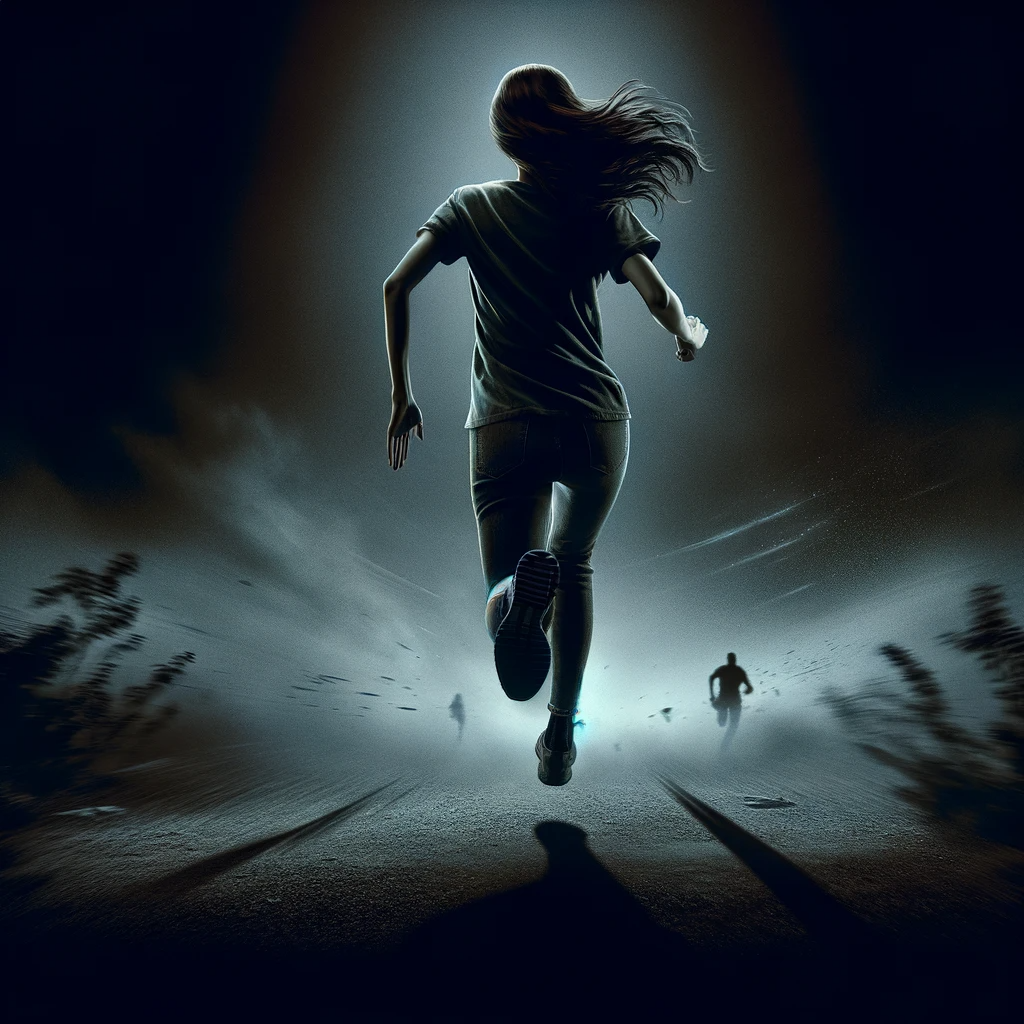
Some of the most disturbing crime stories that I've come across haven't been violent at all. There hasn't been any description of blood or gore. There hasn't been anything to really shock the reader. And that’s precisely why those stories stay with me the longest.
As a reader, I've come to understand that what unsettles me isn't the violence or the gore. It’s the atmosphere that the author creates. And the unspoken implication that something is terribly wrong.
What Is Left Unspoken Is What Matters
One of the most powerful tools that crime writers use is restraint. When the writer lets the reader fill in the gaps, that is when the real horror begins.
Implication is one of the most powerful tools that crime writers use. A door that is closed. A person that doesn't answer a question. Something that is glossed over too quickly. All of these are far more disturbing than anything else that the writer might describe.
What is left unsaid is what stays with me the longest.
An Ordinary Place Made Uncomfortable
What makes a crime story really uncomfortable is when it takes place in an ordinary place. A kitchen. A street. A bar.
When violence or crime intrudes on something as ordinary as one of these places, it becomes uncomfortable. The reader isn't protected by the violence or the crime. The story is uncomfortably close to home.
This is what creates tension without anything really violent being described at all.
Slow-Burning Tension vs. Shock
Gory scenes often depend on shock. Unsettling stories depend on anticipation.
The gradual creation of tension allows the reader’s anxiety to seep in gradually. Small inconsistencies, awkward conversations, and the growing sense that something’s not quite right create tension. By the time the reader discovers the truth, the unease has already begun to take hold.
I find that I’m much more disturbed by stories that make me uncomfortable than stories that shock me, but then move on.
Character Reactions Tell the Real Story
In crime fiction, some of the most disturbing scenes can actually arise from the reactions of characters, not from the crime itself.
The flat emotional response to something serious. The character who’s too calm, or not calm enough, in reaction to something. The reaction that’s just not quite right. These are the signals that danger lurks, often in subtle ways.
When the focus in crime fiction turns to internal reactions rather than external actions, the story becomes more emotional without becoming graphic.
Psychological Threat Over Physical Harm
Crime fiction doesn’t have to get graphic with violence to create a sense of menace. Psychological pressure can be just as intense, if not more so.
The fear of being watched. The fear of being discovered. The fear of what someone might do, not necessarily what someone has done. These are the tensions that lurk in the background, quietly influencing every scene.
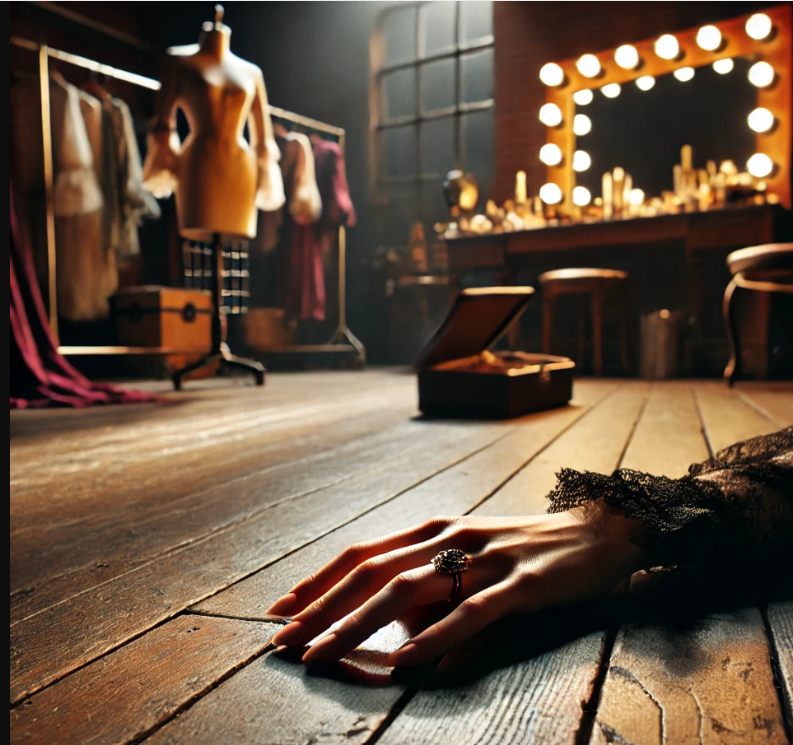
These are the tensions that feel very personal, and, to me at least, very unsettling.
Trusting the Reader’s Imagination
Gore often requires no imagination whatsoever. The opposite of that, subtlety, does.
If there is room for interpretation in the story, the reader brings their own fears, experiences, and beliefs into the narrative. This makes the discomfort more intense.
I've noticed that the crime stories I think about long after finishing the book are the ones that trusted me to connect the dots myself.
Why Subtle Unsettles Me More
I don’t read crime fiction to be shocked. I read crime fiction to feel tension, curiosity, and that quiet unease that something isn’t right.
Stories that use atmosphere, psychology, and suggestion to build tension have a far more lasting impact on me than anything explicit could hope to achieve. They linger with me because they trust the reader, because they know that fear doesn’t have to be loud.
Sometimes, the softest touch is the one that leaves the deepest mark.