

Slow Burn Romance in Crime Fiction: Why We Enjoy Emotional Tension
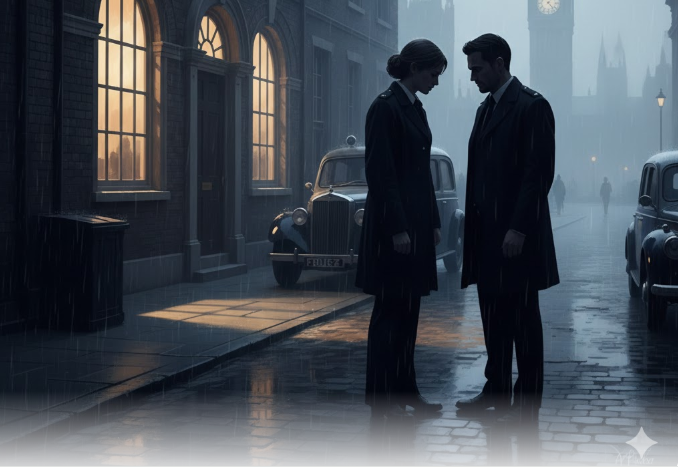
Crime fiction, at its heart, is about tension. The tension of a ticking clock, the tension of a killer on the loose, and the tension of a detective racing against time. But there is another kind of tension that has been quietly enthralled readers for decades.
The slow burn romance. That understated emotional connection between characters that develops over pages and often books. Not love at first sight. Not instant romance. But something more. Something that adds an additional layer of enjoyment to our favourite crime series.
The Unspoken Connection: Building Emotional Depth
So why is the slow burn romance so appealing in crime fiction? It is because of realism. Detectives, forensic experts, and even criminal profilers often find themselves in high-stakes situations where they need their fellow man or woman for support, trust, and even survival. It is in these high-stakes situations that an emotional bond develops. It is a romance that develops over time.
There is not an instantaneous feeling of love. There is a look across a crime scene. There is a moment of shared relief after a harrowing experience. There is a cup of coffee over late nights. It is not forced. It is not instantaneous. It is a slow burn.
Adding Stakes Beyond the Case
A well-crafted slow burn romance not only adds a romantic subplot to the story; it also raises the stakes. When we, as readers, are emotionally invested in the characters, every situation becomes more suspenseful. If Detective Inspector Smith is in a bad situation, we're worried about the case.
But if we've been invested in the unspoken tension between DI Smith and Forensic Psychologist Dr. Jones for three books, and Dr. Jones is obviously distraught over the potential danger to DI Smith, we're twice as invested. The stakes aren't just about solving the crime; they're about the emotional well-being of characters we've come to care about.
The Power of "Will They, Won't They?’
Admit it, one of the fun things about a slow burn romance is the "will they, won't they" factor. The author skillfully inserts moments where the two almost confess their feelings, or share a touching moment, or discuss something meaningful. And then, just as things are getting interesting, a new lead, a new threat, or the pressure of their high-stress jobs gets in the way. The constant delay of gratification keeps us engaged and interested. We keep reading, hoping that this will be the breakthrough moment. And that's the power of "will they, won't they." It shows us that sometimes, the buildup is almost as enjoyable as the payoff.
Realism in Relationship Development
Unlike other genres, crime fiction frequently portrays characters living through extreme stress situations and facing harsh realities. This provides the perfect context to portray the building of a true relationship. It is not about grand romantic gestures or grand pronouncements. It is about shared trauma, respect, and the comfort of knowing that the other person sees the worst of humanity, just as you do. A slow burn is an acknowledgment that true relationships, especially between professionals with busy schedules, take time to build in the face of the challenges that life throws our way. It is the underlying subtext that grounds the fantastical elements of crime-solving in reality.
A Welcome Break from the Darkness
Finally, slow burn romance is a welcome break from the darkness of the crime genre. There is something about reading about gruesome murders, complex conspiracies, and the general depravity of the human condition that makes a touch of real romance or burgeoning love seem like a welcome respite. It serves as a reminder that even in the darkest of places, there is always hope and always a touch of light. It doesn’t detract from the mystery, but instead serves to enhance it, providing a touch of humanity and happiness that makes the characters, and their world, feel complete.